
Across rural communities, we often hear the same question:
“How do we actually solve homelessness?”
The answer is rarely found in a single project, a single grant, or a single organization. Instead, it is found in communities willing to come together around a shared vision and build systems that create pathways to stability.
That is exactly what is happening in Del Norte County.
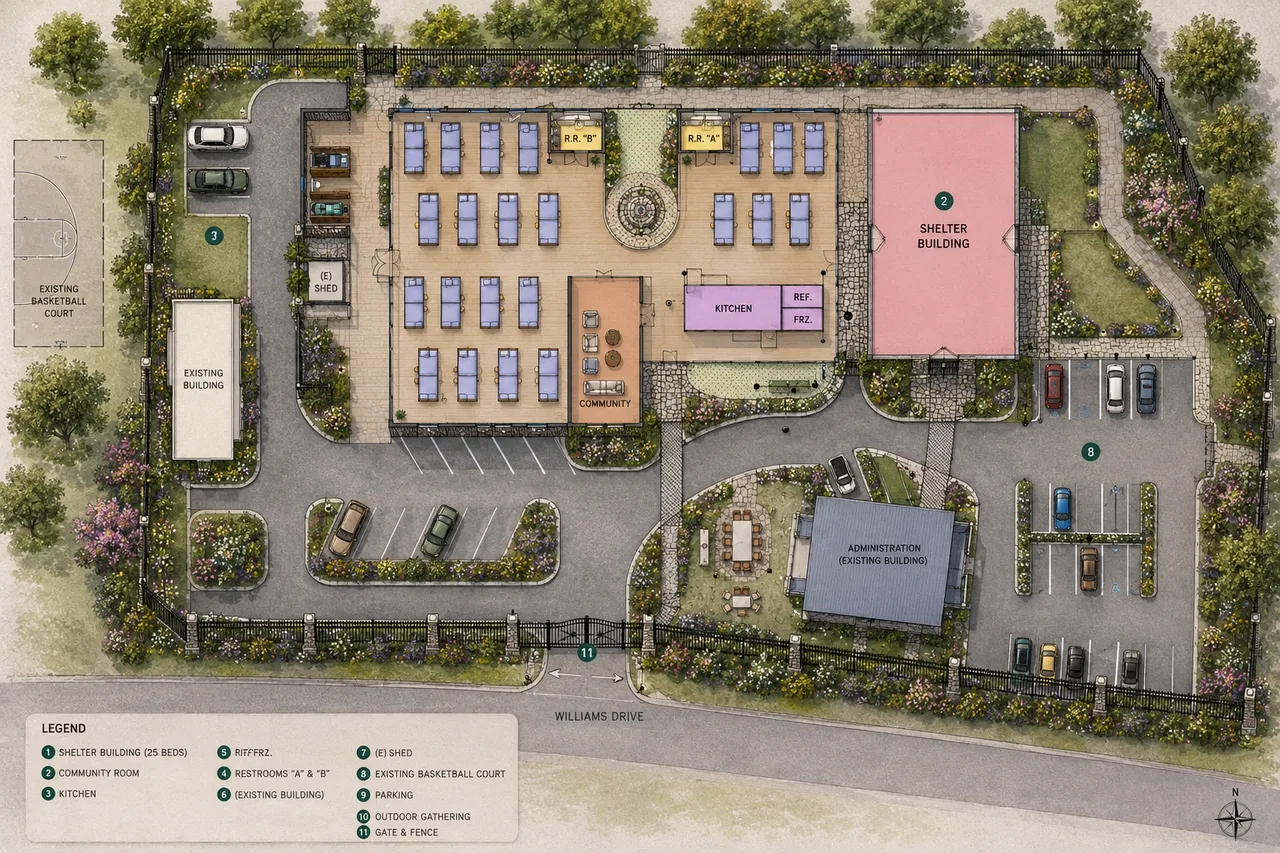
The new Del Norte County Emergency Shelter represents years of collaboration between local government, community organizations, service providers, healthcare partners, and community leaders who recognized that the status quo was not enough. Rather than simply creating more shelter beds, they set out to build a coordinated system designed to help people move from homelessness to housing.
The result is a campus that includes emergency shelter, a micro-village, supportive services, and connections to the resources individuals need to regain stability and independence. More importantly, it creates a place where outreach, shelter, case management, healthcare, behavioral health services, and housing navigation can work together instead of operating in isolation.
The Power of Partnership
One of the most impressive aspects of this project is the partnership that made it possible.
No single organization could have accomplished this alone.
Del Norte County, Del Norte Mission Possible, local service providers, healthcare organizations, community advocates, and countless supporters all played a role in moving the vision forward. Each partner brought a piece of the solution, creating something far greater than any one organization could have built independently.
This collaborative approach reflects a lesson many communities are beginning to understand:
Homelessness is not simply a housing issue. It is a systems issue.
People experiencing homelessness often face multiple barriers at the same time, including housing instability, healthcare needs, behavioral health challenges, transportation barriers, unemployment, or a lack of social support. Effective solutions require these systems to work together.
Shelter Is a Beginning, Not the Destination
One of the most common misconceptions about homelessness response is that shelter alone solves the problem.
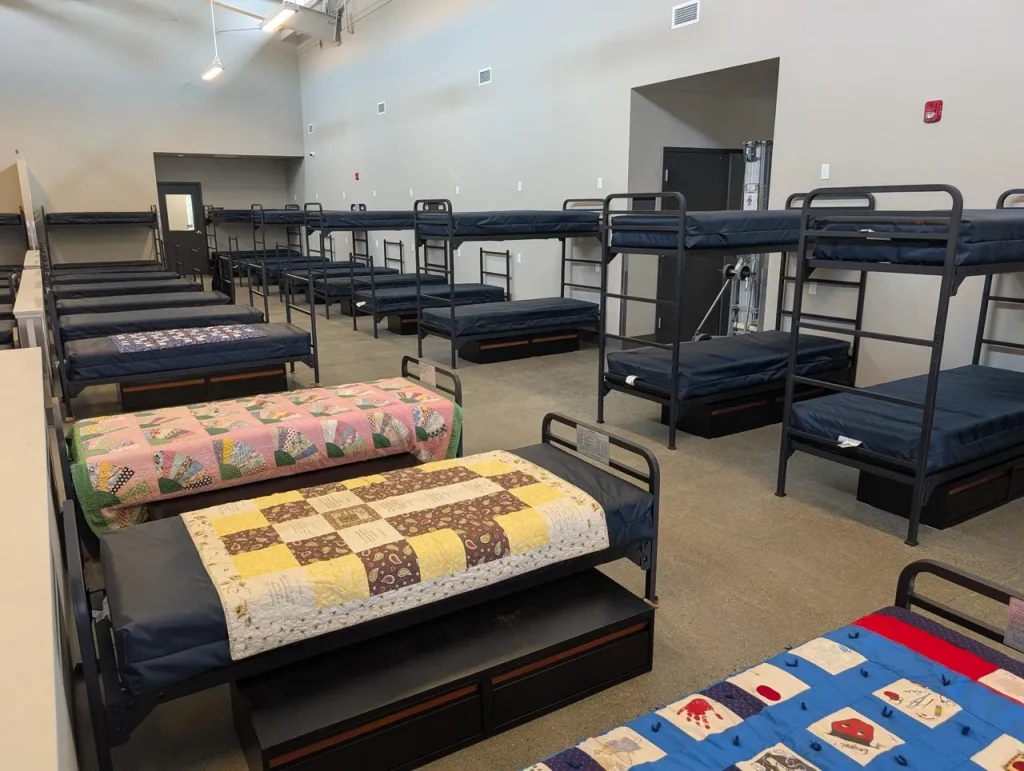 Shelter is important. It provides safety, stability, and a place to begin rebuilding. But shelter is most effective when it is connected to a broader system that helps individuals move toward permanent housing and long-term stability.
The Del Norte County Emergency Shelter was designed with this understanding in mind.
The facility is not intended to be a permanent solution. Instead, it serves as a bridge—connecting individuals to services, housing resources, healthcare, employment opportunities, and other supports that help them move forward.
That distinction matters.
Communities that focus solely on shelter often find themselves managing homelessness. Communities that connect shelter to housing pathways create opportunities to reduce it.
 A Model for Rural Communities
Rural communities face unique challenges.
Resources are limited. Distances are greater. Service providers often operate with smaller staffs and tighter budgets. Yet rural communities also possess a tremendous strength: the ability to build partnerships and align resources around common goals.
The Del Norte project demonstrates what is possible when those partnerships come together.
It shows that rural communities can create effective homelessness response systems. It shows that collaboration can overcome resource limitations. And it shows that communities do not have to choose between compassion and accountability—they can build systems that provide both.
Looking Ahead
The opening of the Del Norte County Emergency Shelter is an important milestone, but it is also the beginning of the next chapter.
The true measure of success will not be the building itself.
It will be the individuals who find safety inside its walls.
It will be the people who reconnect with services, recover their health, secure employment, reunite with family, and ultimately move into permanent housing.
And it will be the partnerships that continue working together long after the ribbon cutting is complete.
Because the most successful communities understand that solving homelessness is not about building a shelter.
It is about building a pathway home.
The North Bend City/Coos-Curry Housing Authority applauds Del Norte County, Del Norte Mission Possible, and the many partners who helped make this project possible. Their work demonstrates what can happen when a community comes together around a shared vision for housing stability and human dignity.