
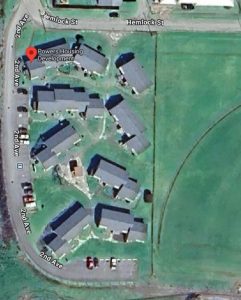
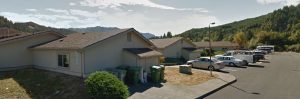
The Powers site has entered Preservation Mode, and it is quickly becoming a clear example of how the SPARC model is designed to work in practice.
Through SPARC, preservation is approached as an ongoing, data-informed process, not a single capital event. Ongoing capital analysis and site review are guiding how improvements are phased, how investments are prioritized, leveraged, and how this aging property is responsibly stewarded for the long term.
A key strength of this model is the role of the Public Housing Authority. In Powers, the PHA manages and staffs the site on behalf of the nonprofit owner, providing professional property management, compliance oversight, and long-term operational stability. This creates a reliable backbone that allows service partners and funders to confidently layer in supports without destabilizing the asset.
The site already benefits from a dedicated Service Coordinator and on-site Property Manager, and SPARC allows those existing roles to be strengthened through deeper alignment with supportive services. Capital planning and service integration are moving in parallel—ensuring decisions are grounded in good information while maintaining forward momentum.
This approach also opens the door for Permanent Supportive Housing resources to be braided into the site in partnership with Oregon Housing and Community Services, including IDD-focused and general PSH supports. These additions build on the site’s long-standing role as a Section 202 property serving seniors and people with disabilities, while acknowledging the very real housing instability experienced by individuals with intellectual and developmental disabilities.
A special thank-you to Star of Hope for their partnership in helping us bring Permanent Supportive Housing services into the Powers site. Star of Hope will serve as the PSH provider for IDD households, and their work is being fully integrated into our evolving SPARC service structure. Rather than operating in silos, this partnership allows services to be coordinated directly with housing operations, the on-site Service Coordinator, and the broader SPARC network—ensuring residents receive consistent, person-centered supports while preserving the stability of the housing itself.
Importantly, this work is already underway. While a small funding gap remains—and we will continue to look to our partners to help close it—the preservation path is clear. Services are aligning, capital planning is advancing, and the SPARC framework is doing exactly what it was designed to do: anchor housing with strong public infrastructure, preserve nonprofit ownership, and braid in the supports needed to carry a rural community forward.
Written by Matthew Vorderstrasse, Executive Director